
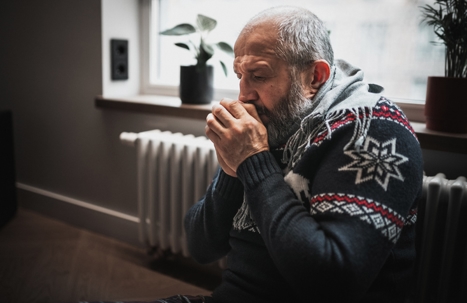
When Michigan temperatures drop, a furnace issue can quickly shift from inconvenient to urgent. A home without reliable heat isn’t just uncomfortable — it can become unsafe fast. While the highly trained, licensed technicians at Kelley Brothers are always ready to provide dependable furnace service, there are several simple troubleshooting steps homeowners can take before scheduling a visit.
Addressing these common issues first may restore heat immediately — and save you the cost and time of a service call.
If your furnace isn’t keeping up, start with this quick checklist.
Quick DIY Checks for a Cold Home
Many furnace problems are caused by simple oversights or restricted airflow. These should always be your first steps:
- Check Your Thermostat: Make sure it’s set to “Heat” and that the temperature is set several degrees above the current room temperature. The fan setting should typically be on “Auto,” not “On.” When set to “On,” the blower runs continuously — even when the furnace isn’t actively heating — which can feel like cold air coming from the vents. If you have a digital thermostat, replace the batteries even if the display appears normal.
- Check the Power: Locate your electrical panel. Has the breaker connected to your furnace tripped? If so, switch it fully off, wait a few seconds, then turn it back on. If it trips again immediately, stop resetting it and contact a professional. Repeated breaker trips often signal an electrical fault or an overheating issue within the furnace.
- Check the Furnace Door: Most furnaces have a safety switch that prevents operation if the access panel isn’t securely in place. If the door is loose or slightly ajar, the system will not start. Ensure it’s fully closed and latched.
- Check Your Air Filter: A clogged air filter is one of the most common reasons a furnace shuts down. Restricted airflow causes the system to overheat, triggering the high-limit safety switch and cutting off heat. Turn the furnace off, remove the filter, and inspect it. If it’s coated in dust and debris, replace it. After a short cooling period, the furnace may restart normally.
When Your Furnace Still Isn’t Working: Deeper Dives
If those initial steps don’t restore heat, the issue likely involves internal furnace components that require professional diagnosis.
Ignition System Problems
Modern gas furnaces rely on electronic ignition systems or hot surface igniters to light the burners. If the furnace starts but fails to produce heat, the igniter may be worn out or the flame sensor may be dirty. A flame sensor coated in residue can’t properly detect the burner flame, causing the furnace to shut down shortly after ignition. While a trained homeowner may be able to gently clean the sensor, ignition replacements and gas-related repairs should always be handled by a licensed technician.
Pilot Light Issues (Older Furnaces)
If you have an older furnace with a standing pilot light, confirm that it’s lit. If it has gone out, follow the manufacturer’s instructions carefully to relight it. If the pilot won’t stay lit — or if you detect a gas odor — turn off the gas supply and contact Kelley Brothers immediately.
Blower Motor or Airflow Problems
If you hear the furnace running but no warm air is circulating, the issue may involve the blower motor, capacitor, or internal electrical components. These parts require specialized tools and testing equipment to repair safely.
When to Call the Experts at Kelley Brothers
DIY furnace troubleshooting has limits. Because furnaces involve gas lines, combustion components, and electrical systems, improper repairs can lead to serious safety risks.
Kelley Brothers technicians are licensed and insured to provide comprehensive furnace service and heater repair across all major brands.
Call us at (734) 251-4625 right away if you notice:
- No Heat After Basic Check. If thermostat, filter, and breaker checks don’t restore warmth.
- Strange Noises. Banging, grinding, squealing, or rattling can indicate failing internal components.
- Burning or Electrical Odors. Persistent smells may signal overheating wires or damaged parts.
- Repeated Breaker Trips. This often points to a serious electrical or motor issue.
- Yellow or Red Burner Flame. A properly operating gas furnace burns with a steady blue flame. A yellow or red flame may indicate improper combustion and potential carbon monoxide risk.